Let’s talk about online slot games piggyrichesmegaways.uk. This is a dialogue about entertainment, technology, and self-discipline. Here, I’m providing learning materials centered around titles such as Piggy Riches Megaways Slot, especially for teenagers in the UK. The purpose is to clarify how these games operate, to strip away the mystery around their mechanics, and to thoroughly explain the statutory and financial protections that are in place. This serves as strictly an instructional and cautionary document.
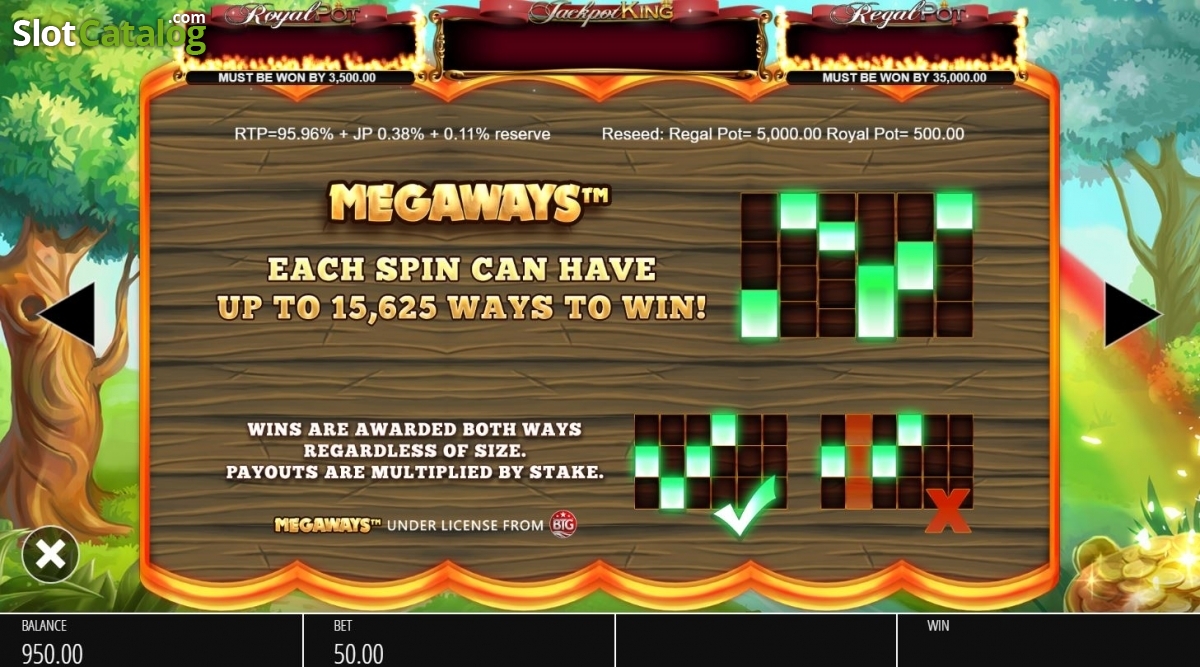
Begin with this fact: Piggy Riches Megaways is a branded online slot machine. You’ll locate it on gambling websites licensed in the UK. It operates on a game engine called ‘Megaways.’ This system changes the number of symbols on each reel with every spin, which in turn changes how many ways you can win. The game has a theme of cartoon pigs living a luxurious life, a common visual style. While the graphics are engaging, remember this is a game of chance. It’s designed for adult entertainment within a regulated market.
For education, the mechanics matter. Because of Megaways, the grid reforms every time you spin. Features like cascading wins, free spins, and bonus rounds are built into the design. These elements exist to generate excitement and keep people playing. Understanding that psychological hook is crucial for any young person looking at these games.
This is an educational piece, but we must outline the risks explicitly. These risks are why the age restrictions are in place. Problem gambling can lead to serious financial losses, debt, strained relationships, anxiety, depression, and a drop in school or job performance. For young people, whose finances and emotional resilience are still developing, the damage can be extremely severe.
We should also discuss the design tricks that get people playing. ‘Losses disguised as wins’ happen when a payout is lower than your original bet, but the game still applauds. Near-misses and flashy animations are components of the psychological toolkit. Spotting these tactics is a form of digital literacy. It helps young people analyse game design critically instead of just absorbing it.
If a adolescent individual is concerned about betting, for themselves or a friend, confidential assistance is on offer. Charities like GamCare, BeGambleAware, and the National Gambling Helpline offer free guidance and backing. These tools are paid for by the gambling industry to provide impartial aid. They are a crucial component of promoting more responsible gambling in the UK.
Teachers and carers searching for structured resources possess options too. The PSHE Association incorporates gambling harm in its syllabus direction. Organisations like YGAM (Young Gamers & Gamblers Education Trust) and GamCare’s ‘BigDeal’ programme conduct classes and supply resources for academies and youth clubs. Their activities concentrates on fostering digital toughness and evaluative thought.
UK law makes it a criminal offence for anyone under 18 to gamble. This covers online slots. The UK Gambling Commission (UKGC) implements this rule. Licensed operators are required to run strict age verification checks before you can crunchbase.com deposit money or play. This law is not optional. It’s there for a significant reason: to safeguard young people from the grave financial and psychological harm gambling can cause.
Research demonstrates the risks of underage exposure are genuine. The adolescent brain is still maturing, particularly the parts responsible for impulse control and evaluating decisions. Early exposure to gambling-style games, even playful-looking ones, can make the activity seem normal. That can set the stage for problematic behaviour later on. The age limit is a safeguarding wall.
A key insight is grasping how these games work under the surface. Every spin on Piggy Riches Megaways is determined by a Random Number Generator (RNG). This software assures each outcome is independent from the last and completely random. The idea that a game is ‘due’ to pay out is a error, known as the ‘gambler’s fallacy.’ Teaching people about RNGs helps dismantle false ideas about strategy and highlights the role of pure chance.
Two other terms are important: volatility and Return to Player (RTP). RTP is a theoretical percentage. It shows the average amount of wagered money a slot pays back over an immense number of spins. It is not a certainty for your playing session. High-volatility slots can have long spells with no wins, followed by potentially big payouts. This design can distort a player’s view. Understanding these terms encourages a more realistic view of the game’s design.
Candid, non-judgmental talk at home is one of the best protections. Parents don’t need a degree in slot machines. Just understanding these games exist and are advertised can initiate a useful conversation. Discussing how advertising works, why age ratings matter, and how games make money can fit into bigger discussions about online safety and handling money.
Hands-on steps assist. Using parental controls on devices and internet routers can restrict access to gambling sites. Encouraging a questioning look at advertising, especially during sports broadcasts, is also useful. The goal is to frame these chats around health and making smart choices, not just laying down bans. Strict prohibitions sometimes just render things more interesting.
Good financial literacy is a effective shield against gambling harm. Teaching young people about budgeting, what money is truly worth, saving, and the gap between investment and blind chance is essential. School lessons on probability and statistics can be used directly to understand games of chance like slots.
We should encourage a view of money as a tool for security and reaching goals, not as a chip to gamble. Programmes that simulate real-world finances or explore the psychology of spending are very impactful. Equipping young people these skills helps them make informed decisions everywhere in life. It builds a natural resistance to the ‘get-rich-quick’ fantasies that games can push.